Learning how our brains function is equally important as caring for our body. In some instances, our brains go through difficult times, as getting sick or scraping knees. If these challenges affect the way an individual thinks, feels and performs actions over a prolonged period the doctors refer to them as types of mental health disorders. People from all over all over the world are confronted with these issues daily. Knowing about these challenges can help us be more kind towards others, and also become more aware of ourselves. Let's go on a quick gentle journey to explore what happens in our minds when we get weighty.
What are the different types of mental health disorders?
Mental health issues are one of the medical conditions that can alter the way a person thinks, feels or even mood. This can cause it to be difficult to make it through the day and do your schoolwork or just hang out with your buddies.
A lot of people inquire concerning mental illness and mental disorder. Are they really the identical? Most of the time it is. The medical profession uses these terms to define those instances when a brain requires extra help and support. Imagine the computer that has a problem within the software. Hardware is in good condition however, the software needs an update in order to function and again.
Why do mental health disorders happen?
The struggles with mental health don't happen because the person is weak or committed things wrong. They're real health concerns. The scientific community is aware that these illnesses result from a combination of different factors that work together.
- Brain Chemistry The brain utilizes specific chemical messengers that send signals. If the chemicals go off equilibrium, they affect the way we feel.
- Genetics In some cases, the characteristics are passed on through families just as eye color and height.
- Life experiences: Major changes, terrifying incidents, or stress-inducing situations are a trigger for these issues.
Read Also: Top 10 Mental Wellness Tips For Daily Life: Feel Happier Every Day
Top 10 Types Of Mental Health Disorders
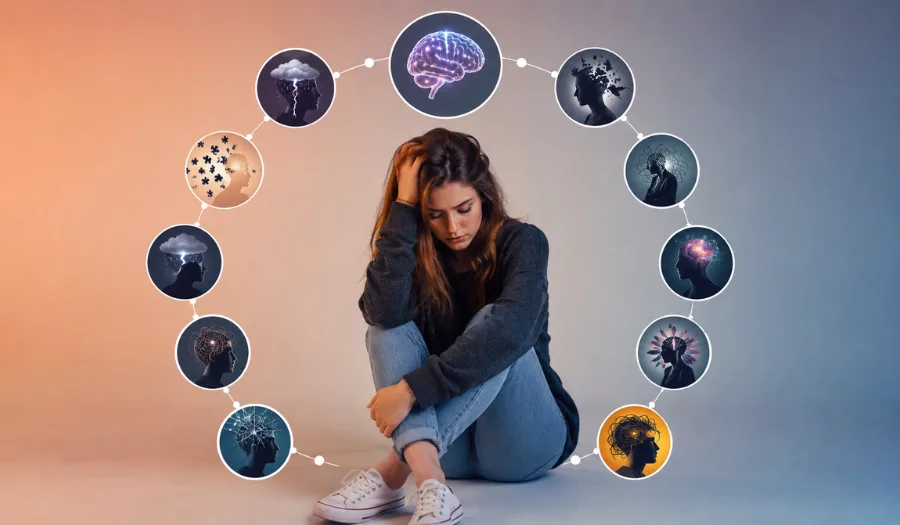
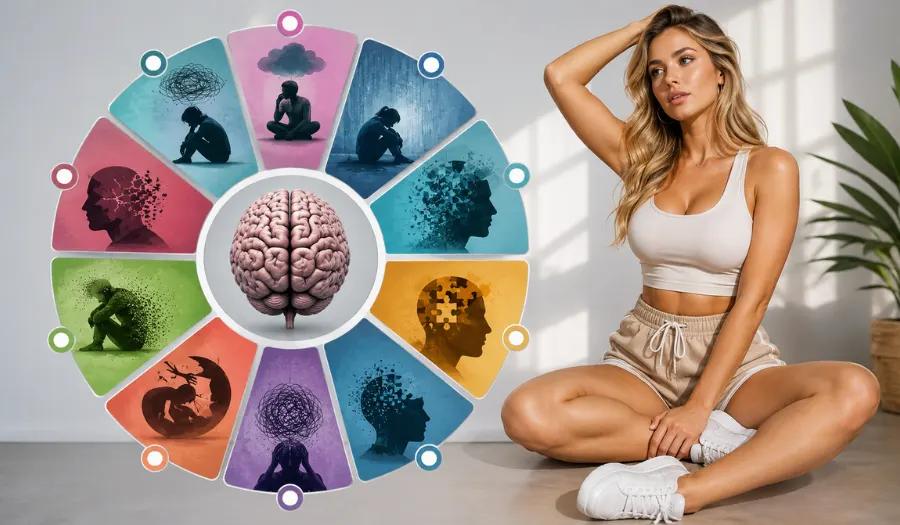
In order to make it easier for patients to comprehend, doctors divide their struggles into distinct types. This is an comprehensive checklist of mental health conditions that are prevalent throughout the world.
1. Anxiety Disorders
It is by far the most prevalent type of mental health issue. This is more than feeling anxious before the big test at school. It's a constant anxiety that will not let go. Anxious people may worry over everyday things for the entire day, making it difficult to sleep or fall asleep.
2. Depression and Mood Struggles
This grouping comprises different types of mood disorders and an example of Major Depressive Disorder and Bipolar Disorder. Bipolar disorder can cause an individual's energy level and mood to change from being extremely joyful and high, to incredibly sadness and depressed.
3. Obsessive-Compulsive Disorder (OCD)
OCD causes the brain to become locked in certain thoughts. As an example, someone is likely to worry constantly about the presence of germs. To help make this fear dissipate, they may cleanse their hands over and over in a particular sequence.
4. Post-Traumatic Stress Disorder (PTSD)
If someone is involved in very frightening or traumatic incident, their brain may be sucked into "danger mode." Although they're in a safe place in the future, their memories of the incident will come flooding back, making people feel fearful to the core.
5. Eating Disorders
They are very serious issues that occur when the person is focused too much on weight loss and eating. People may eat less or eat too much in one go, or be extremely upset with how their body is looking.
6. Attention-Deficit/Hyperactivity Disorder (ADHD)
ADHD can make it difficult for brains to pay focus, remain still, or manage rapid impulses. This is among the most prevalent mental illnesses among adolescents and kids, making homework a task that is difficult.
7. Disruptive and Conduct Disorders
The person is having a difficult time adhering to rules and being a good person. The person could get extremely angry often, fight constantly or even hurt people's sentiments with intent.
8. Personality Disorders
A personality disorder alters how people view them and their surroundings for a lengthy duration of. This can make it extremely difficult for people with this disorder to form solid relationships, or to manage to be with their colleagues as well as family members.
9. Schizophrenia and Psychotic Disorders
It is a condition that is rare in which the brain is unable to determine what's real and what's just an illusion. One might be able to be able to hear voices that aren't real or may believe in something that isn't true.
10. Substance Use Disorders
Some people resort to harmful substances such as alcohol or drugs to deal with angry or sad moods. The result is a vicious cycle that causes harm to both the body and mind.
Guide to understanding mental disorders and their warning signs
What can we do to tell whether a family member requires assistance? The body and the mind typically give us signals. Understanding the indicators and signs of mental illness can allow us to jump into the situation and provide support at an early stage.
Common mental health disorders and their symptoms
Watch out for changes lasting longer than a couple of weeks. This could mean feeling down all often, pulling away from your friends, abandoning interests, or feeling anger out of the blue.
Physical symptoms of mental illness
Mental health problems don't solely affect the brain. They impact the entire body. Here are a few instances of mental health problems that cause physical changes
- Consistent headaches and stomachaches
- I am always tired and even when you sleep
- Trouble breathing or a racing heartbeat in the event of anxiety
- A change in appetite, for example eating less or consuming excessively
How does depression affect daily life?
Depression can be described as a heavy blinding covering. Everyday tasks can appear like climbing a gigantic mountain. Someone suffering from depression might have difficulty to wake up or brush their teeth or have breakfast.
If we consider the anxiety and depression contrast anxiety can be described as an engine that won't slow down and fills you up with a rush of energy. Depression, on the other hand, is a complete opposite. it drains all of your vitality which leaves you feeling empty exhausted, depressed, and hopeless.
Understanding the top mental health disorders worldwide
Mental health problems don't care about whether you are living in a city or how old you are or what amount of cash you've got. People are affected all over the world.
"Mental health is a universal human right. We must build a world where anyone, anywhere, can access the care they need without fear or shame." -- Global Mental Health Advisory Council
Frequently Asked Questions
Can children get mental health disorders?
Yes. teens and children are susceptible to similar disorders to adults. However, the good news is that, with early intervention from counselors and physicians youngsters can develop the skills to control their emotions as they grow up and be content and healthy.
Can these disorders be cured completely?
Although some diseases disappear with time, others can be treated rather than eliminated. If you have the right tools, such as consulting with a therapist doing mindfulness exercises, seeking medical treatment from a doctor, people enjoy a life of success and happiness.
How can I help a friend who is struggling?
The most effective thing to do is to listen and don't judge. Let them know that you are thinking of their well-being and urge them to seek out a trustworthy adult such as a parent, school counselor, or physician. There is no need to solve their issues; just being a caring person is vital.