The best yoga poses for pregnant women are Cat-Cow, Wide-Knee Child’s Pose, Bound Angle (Butterfly), and Supported Squats (Malasana). These positions are specifically recommended by prenatal experts because they safely alleviate lower back pain, improve pelvic circulation, and strengthen muscles required for labor. Practicing these "prenatal-safe" movements reduces stress while respecting the body’s changing center of gravity.
By focusing on pelvic stability and spinal decompression rather than deep flexibility, these poses accommodate the physiological shifts of each trimester. This guide provides a doctor-recommended approach to staying physically fit and mentally centered throughout your pregnancy journey.
What is Best Yoga Poses For Pregnant Women?
The best yoga poses for pregnant women are a curated set of "prenatal-safe" movements that prioritize the safety of both mother and baby. Unlike standard yoga, these positions avoid deep abdominal twists, lying flat on the belly (prone), or intense inversions. The primary focus is on creating space in the torso and opening the hips.
Technically, these poses utilize props like bolsters, blocks, and chairs to provide extra support. This ensures that the ligaments—which become looser due to the hormone relaxin—are not overstretched. It is a functional form of movement tailored for the unique anatomy and physiological changes of pregnancy.
Why is Best Yoga Poses For Pregnant Women important right now?
As pregnancy progresses, the baby's weight shifts your posture forward, often leading to chronic lower back pain and tight hip flexors. Incorporating these specific poses into your daily routine is essential for maintaining spinal alignment and reducing the physical strain on your sacroiliac (SI) joints.
In addition to physical health, prenatal yoga is a vital tool for mental wellness. With the rise of pregnancy-related anxiety, these breathing-heavy movements act as a natural stress-reliever. Starting a routine now builds the muscular endurance and mental grit needed for a smoother transition into motherhood.
Read also: How Yoga Changes Your Body: 20 Proven Health Benefits
Key benefits / features / advantages
- Pain Management: Poses like Cat-Cow neutralize spinal pressure and relieve aching muscles in the lumbar region.
- Labor Readiness: Supported squats help widen the pelvic outlet and strengthen the birth canal for delivery.
- Swelling Reduction: Gentle leg stretches improve lymphatic drainage, reducing "heavy" sensations or swollen ankles.
- Mental Clarity: Focused breathing techniques (Pranayama) help lower cortisol levels and improve sleep quality.
- Improved Digestion: Certain seated poses can alleviate common pregnancy issues like bloating, gas, and heartburn.
How it works / how to use / how it helps
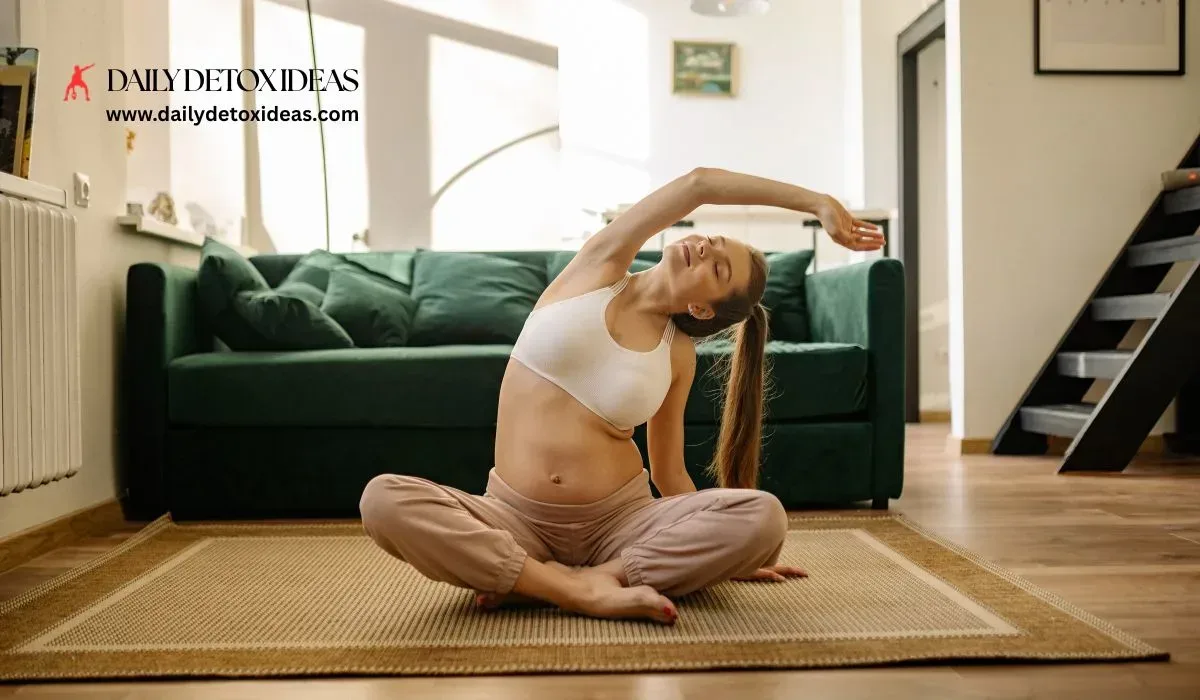
Prenatal yoga works by activating the parasympathetic nervous system, promoting "rest and digest" functions. When you perform these poses, you increase the oxygenated blood flow to the uterus, which directly supports fetal development. It helps by teaching you how to relax under physical pressure.
To use these poses effectively, practice on a non-slip mat and keep a water bottle nearby. Use a wall for balance in standing poses to prevent falls. By moving mindfully, you help your body adapt to its new weight distribution while keeping your core stabilized and supported.
Real-world examples or practical use
If you spend several hours a day sitting at a desk, your lower back likely feels compressed and tight. A practical application is doing three minutes of Seated Cat-Cow right in your office chair. This simple movement releases tension in the spine and boosts your energy levels instantly.
Another example is using the Butterfly Pose while reading or relaxing in the evening. This gentle hip-opener helps prepare your body for the wide-legged positions often required during delivery. These small, daily integrations make yoga a functional part of your lifestyle.
Common mistakes or myths
A major myth is that you must be "flexible" to do yoga. In reality, the best yoga poses for pregnant women are about stability, not reaching your toes. A frequent mistake is "over-stretching" because your joints feel loose due to relaxin; this can lead to Pelvic Girdle Pain (PGP).
Another mistake is holding your breath. In prenatal yoga, the breath should always be fluid and deep. If you find yourself holding your breath, it is a sign that the pose is too intense. Always prioritize a "wide stance" to leave plenty of room for your growing bump.
Expert insights or trusted facts
Medical experts from the ACOG (American College of Obstetricians and Gynecologists) suggest that regular prenatal yoga can reduce the risk of gestational diabetes and high blood pressure. According to various health studies, women who practice yoga experience a significant reduction in the duration of the first stage of labor.
Instructors emphasize the importance of the Left Side-Lying position for final relaxation instead of the traditional "Corpse Pose" on the back. This prevents the baby's weight from pressing on the vena cava, ensuring optimal blood flow to both the mother's heart and the placenta.
Who should consider this?
Every healthy pregnant person can benefit from prenatal yoga, regardless of their previous fitness level. It is particularly helpful for those dealing with "pregnancy brain," insomnia, or round ligament pain. Beginners will find the slow, rhythmic nature of the practice very accessible.
If you have a high-risk pregnancy or conditions like placenta previa, you should consult your doctor before starting. However, for most, it is a safe and effective way to bond with your baby while keeping your body strong and resilient for parenthood.
Read also: How do you know yoga is working
Pros and Cons
|
Pros (Advantages) |
Cons (Considerations) |
|
Alleviates hip and back discomfort |
Relaxin hormone can lead to overstretching |
|
Enhances mental focus for labor |
Risk of dizziness in some positions |
|
Encourages better fetal positioning |
High-intensity "Hot Yoga" is unsafe |
|
Low-impact and easy to do at home |
Requires modifications as the bump grows |
FAQs
What are the best yoga poses for pregnant women at home?
The most effective home poses are Cat-Cow for back relief, Butterfly Pose for hip flexibility, and Supported Bridge with a pillow for pelvic support.
Which pregnancy yoga poses should I avoid?
Avoid "Hot Yoga," deep twists that compress the belly, lying flat on your stomach, and any pose that involves jumping or heavy balance without support.
Can I start yoga if I’ve never done it before?
Yes. Prenatal yoga is specifically designed for beginners and focuses on gentle movements that are easy for anyone to follow safely.
How often should I practice pregnancy yoga?
Even 10 to 15 minutes of daily stretching can provide significant relief, though many women find a 30-minute session three times a week ideal.
Final Verdict
The Best Yoga Poses For Pregnant Women are those that balance comfort with strength. By incorporating safe, doctor-recommended movements into your routine, you can navigate the physical demands of pregnancy with ease. Yoga is a powerful tool for a healthier pregnancy and a more confident birth experience.